To learn how to freestyle rap, keep the beat running even when a rhyme does not arrive. Pick an object in the room, describe it in rhythm, and leave a beat empty when you need to think. Work through three short rounds with the same prompt. You only need a steady pulse, something to talk about, and optionally a recorder.
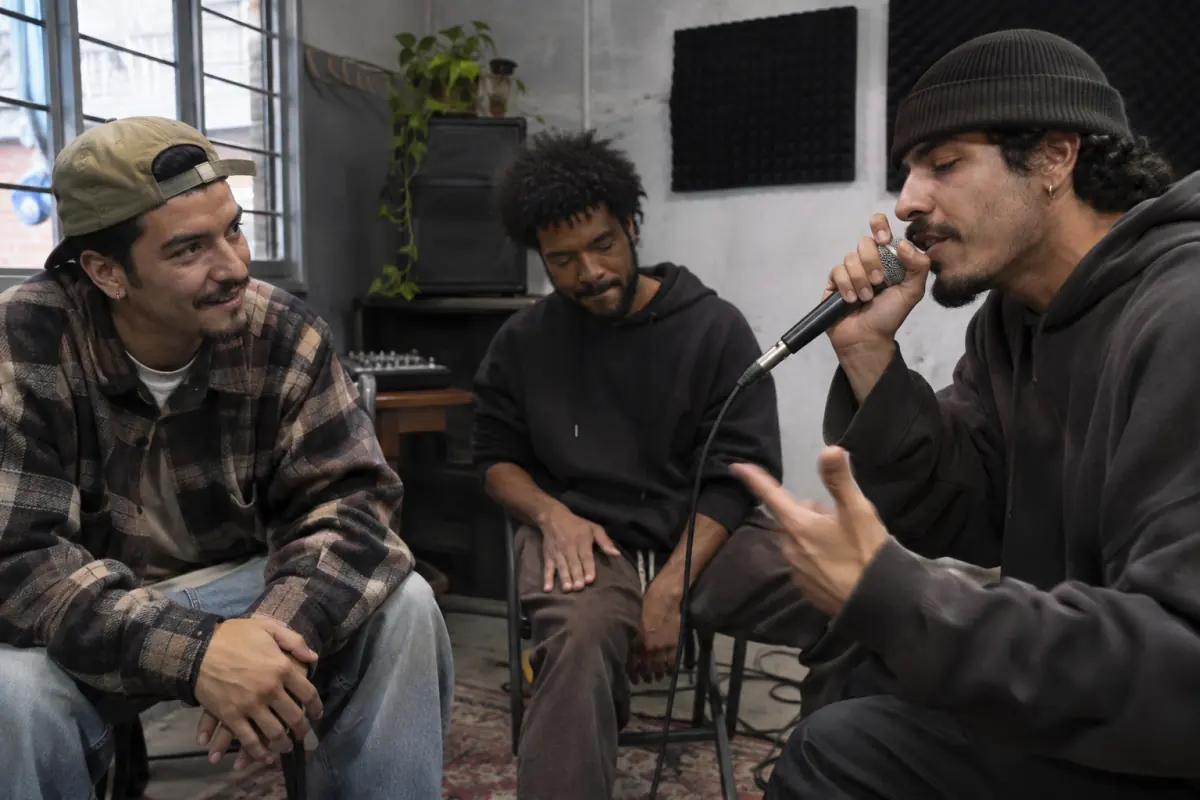
How to freestyle rap with a prompt you can picture
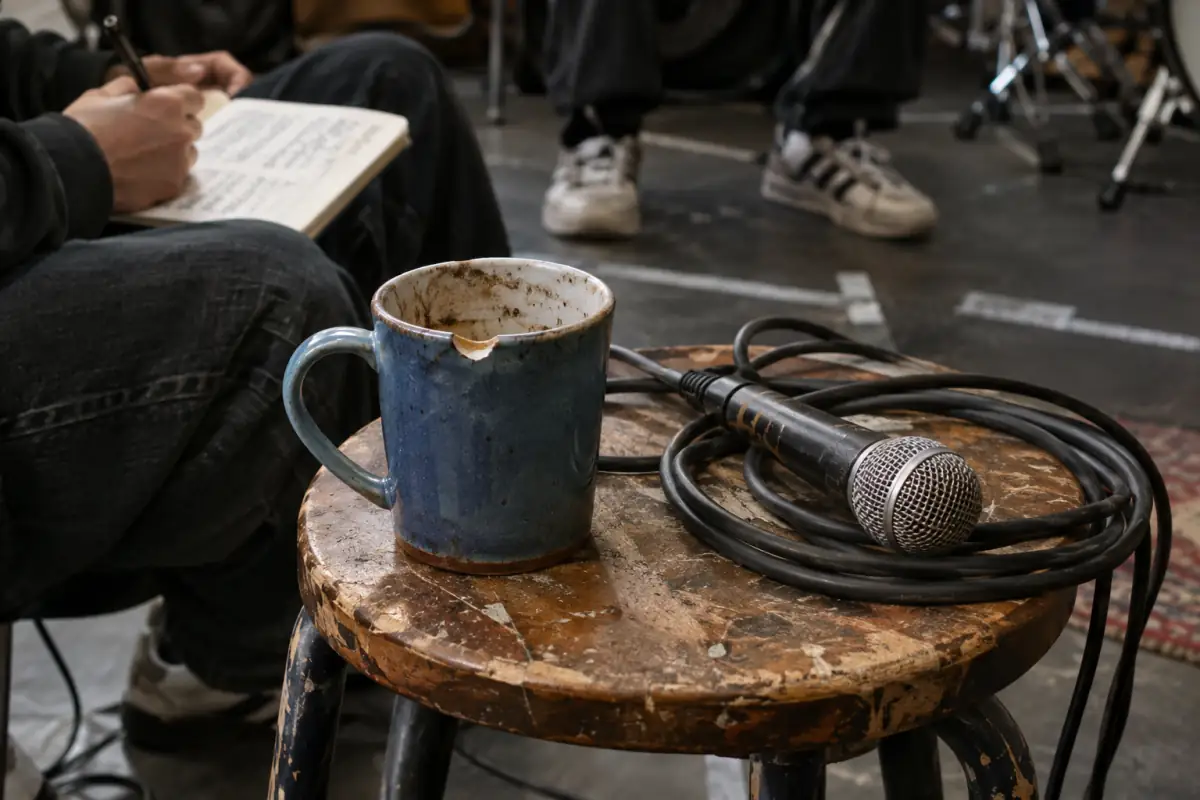
Choose a noun you can see: a key, a chipped cup, or a bus ticket. A broad prompt such as “success” gives you a blank page under time pressure. An object gives you color, sound, weight, and location before you have to invent a plot. Add a simple constraint: describe the object without naming it, or bring it back at the end of the round.
Try the exercise off the top, meaning that you decide the lines while performing. You can set up the prompt ahead of time without memorizing a verse. If you want an example of how a performer works with unpredictable words, the Library of Congress documents Christylez Bacon taking audience suggestions into a live improvisation.
Put your object and constraint in the practice brief or write them on a card. Start with a loop slow enough for you to speak in full phrases. Tap until you can keep counting through a pause, then begin. Avoid switching loops midway through a round: you want to hear the effect of the exercise, not a new tempo.
Set up a freestyle prompt and practice roundLibrary of Congress: Christylez Bacon improvises with audience words
Round one: keep the count through a blank
Speak one observation on a steady pulse. The first phrase can be ordinary: “This key is cold.” For the next phrase, change one detail, such as where the key is or what it opens. When you run out of words, tap and leave space instead of squeezing in a rushed filler line. Re-enter on the next strong count with the same object.
If you lose the pulse completely, stop talking but keep tapping. Rejoin after you can feel the beginning of the next bar. That is a recovery, not a restart. Treat a successful return as the goal for this practice round; a complicated rhyme that makes you lose the count does not move you toward it.
Round two: take the object somewhere else
Keep the same prompt and beat. Put the object in a different place, then return to it in the closing line. Original illustrative prompt path: a bus ticket on a kitchen table becomes a ticket in the wrong coat, then a bookmark that reminds the speaker to call home. The path is a set of ideas, not lines you have to memorize.
If you repeat yourself, ask one quiet question between phrases: who put it there, who needs it, or what changes when it disappears? Answer only one question. In a group, give the next person the same object and have them add a detail that fits the last line. That keeps the session from turning into several unrelated speeches.
Round three: change the breath, not the whole verse
Try the same scene again, but pause before the detail you want the listener to notice. You can shift the stress or shorten the lead-in while leaving the tempo alone. If a rhyme pops up, use it when it keeps the thought moving. If you find yourself steering toward a rhyme that makes no sense, keep the thought and let the sound go.
Listen to your rough recording if you made one. Mark a spot where you landed on beat, a place where you returned after a gap, and one image you remembered without checking the prompt. Pick one change for the next round. Comparing the same exercise at the same tempo gives you more useful feedback than comparing how impressive two unrelated takes sound.
Verify progress without counting perfect rhymes
If you keep blanking on the first word, describe the object in plain speech, then add the beat. If you drift off time, use a simpler loop. If you keep landing the same rhyme, describe a sound or texture before trying another ending. This is a rehearsal method, not a claim that one freestyle style is right for every performance.
Next steps: run the same prompt tomorrow
The useful test of how to freestyle rap is whether you can stay present when a line surprises you. Repeat one short round with the same constraint, and compare where you breathe and where you find the beat again. If a spontaneous line deserves more time, move it into a written verse after the round ends.
Develop a standout line into a lyrics briefTake your draft from idea to recorded demo
Frequently asked questions
What do I say if my mind goes blank?
Pause without dropping the pulse. Start again with something you can see, or repeat a word from your last line and give it a new detail.
Do I need an instrumental to practice freestyle rap?
No. A metronome, a hand tap, or a simple loop is enough for the first exercise. Use an instrumental when you want to practice placing your voice around more sounds.
Can I prepare prompts and still improvise?
Yes. A prompt gives you a subject; the performance is still improvised when you choose the actual words and phrasing in the moment.