To learn how to write rap lyrics, start with a scene you can describe aloud. Give the listener a place, an object, and a reason to care. Turn that into four bars, then revise the rhymes and timing after the meaning is clear. You need somewhere to write and a steady count; a finished instrumental can wait.
How to write rap lyrics when you only have a topic
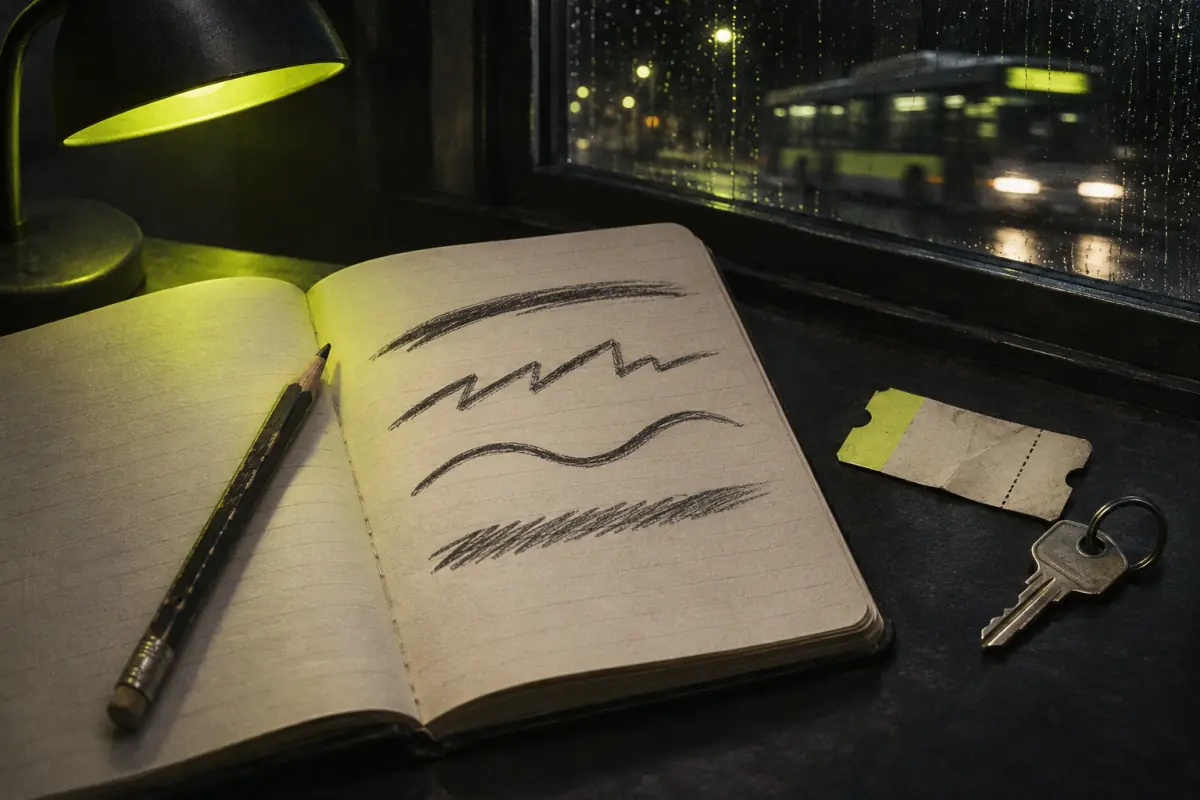
A topic is what the verse is about. A scene is where the listener gets to see it happen. “Working late” is a topic. Standing outside a closed shop with your apron still on and the bus pulling away is a scene. Write one plain sentence about what the speaker expected and another about what happened instead. That difference gives the verse somewhere to go.
Look for a detail that belongs to this moment: the sticky floor near the register, a bent key, the coins that stayed warm in a pocket. Pick the one that reveals something about the speaker. An inventory of everything in the room is less useful than one detail that changes the mood. Berklee Online’s lesson on writing from small moments offers a related way to find a first verse.
Put the scene and the desired turn into the lyrics brief if you want to save them. The form organizes what you enter. It does not write the verse; keep the working lines in your notes so you can edit them freely.
Organize your scene in the rap lyrics briefBerklee Online: writing with small moments
Give each of the first four bars a job
Use a simple four-count for this exercise. A bar is a measure of music, not automatically a line of text. A phrase may spill into the next bar or leave a gap before the count ends. For a first draft, give each bar one job: set the scene, add evidence, turn the story, then let the consequence land.
Original practice verse, written for this guide: “Apron still tied when the bus rolled past. / Shop light blinked; I was standing there last. / Checked my pocket: two coins and a key. / Walked home slow; first quiet shift was free.”
The sample does not explain that the speaker is tired. The apron and bus do that work. The third bar changes the plan and the last reframes the walk. If the fourth line in your draft is only a restatement of the first, give the speaker a decision or an observation they could not have made at the start.
Choose a rhyme scheme after the meaning is clear
A rhyme scheme is the pattern of matching sounds at the ends of lines. Try an AABB pass: let the first pair share a sound, then give the second pair a different one. The example leans on two clear pairs: “past” and “last,” then “key” and “free.” A near rhyme can also work if the stresses and delivery make the connection audible.
Read the draft without the beat once. If a line only exists to reach its last word, replace that word with what the speaker would actually say. Try an internal rhyme, a repeated vowel, or a delayed echo inside the next line. Give yourself more than one place for a rhyme to land so the end of every bar does not become a forced punch line.
Draft the hook separately. The verse shows what happened; the hook can repeat a phrase the event made true. “First quiet shift was free” might be worth trying as a hook, but only if it stays understandable when separated from the verse.
Plan where the verse and hook meetBerklee Online: sensory detail and chorus ideas
Arrange the verse, hook, and second verse
Give the sections different jobs before expanding the draft. A verse moves the story through specific actions; a hook repeats the central feeling in words that make sense on their own. An optional intro establishes the setting, while an outro can leave the final image unresolved. Those labels describe functions rather than a required formula.
For a compact practice structure, try four bars of verse, two bars of hook, another four bars of verse, then repeat the hook. In the bus-stop example, the first verse shows the missed ride; the second can follow the walk and change what the speaker notices. Keep the hook recognizable between them. Expand a section only when the story or performance earns the extra space.
Mark each section in your notes and read the transition aloud. If both verses tell the same event without a new consequence, replace one with a decision or response. If the hook sounds like a fifth line of the verse, simplify it into a repeatable thought before adding more rhymes.
Verify the flow before polishing the words
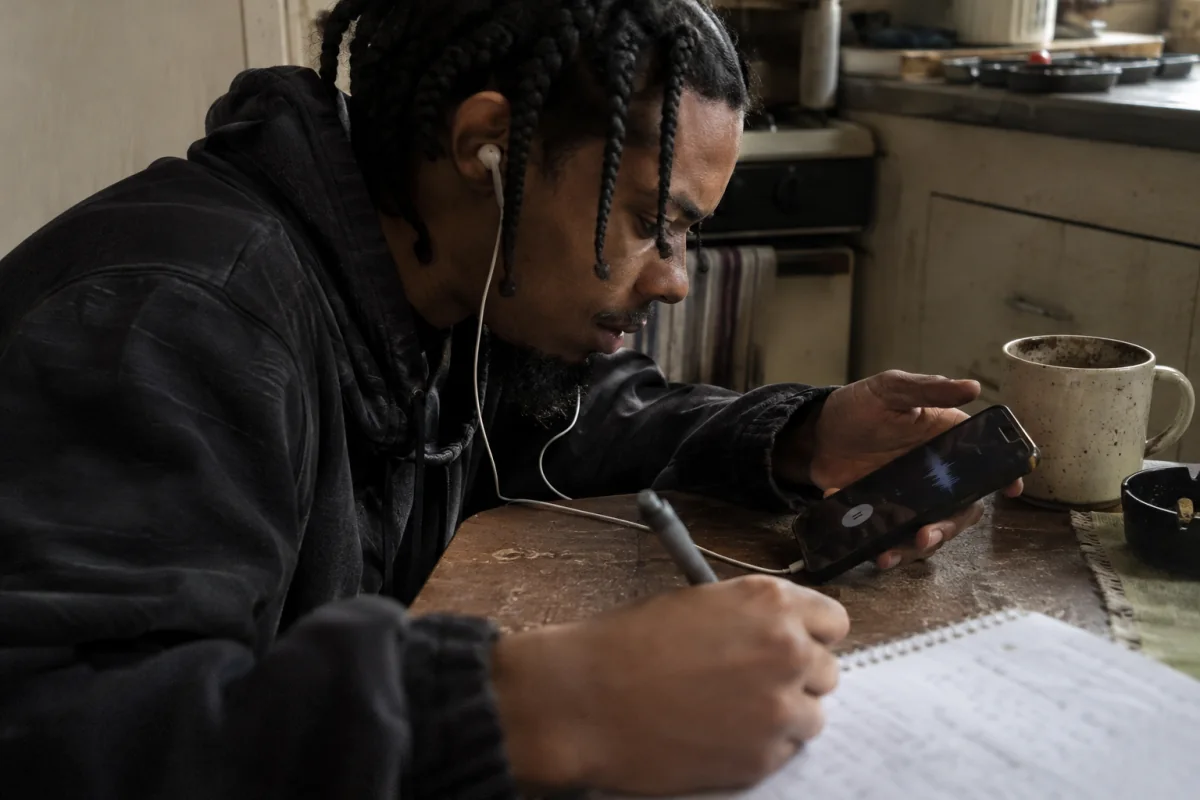
Speak the verse against a count. Put a slash where you take a breath and underline the words you want the listener to hear first. Then record a rough read on your phone, listen without looking at the page, and write down where you lost the scene. An impressive rhyme is worth less than a line the listener can follow on the first play.
If you rush, shorten the setup or start the phrase earlier; do not solve every problem by slowing the beat. If a bar feels empty, first try letting the pause stand. If a line is clear on the page but muddy in a recording, put the stressed word somewhere the beat leaves space. Change one thing per take so you can hear what helped.
Sketch a drill cadence with room for pausesPractice a battle-verse setup and payoff
Next steps: write a verse you can say out loud
Knowing how to write rap lyrics is useful when you can repeat the process on a new scene. Keep one image, draft four bars, then listen to a rough take. If the listener remembers what changed, the verse has a center. If the words make sense but the rhythm crowds them, revise the delivery before throwing away the story.
Frequently asked questions
Should I write lyrics or pick a beat first?
Start with lyrics if you already have a vivid scene. Start with a beat if the rhythm is what caught your ear. Either way, check the draft against a pulse before you call it finished.
Does every bar have to rhyme?
No. A rhyme sets an expectation; breaking it can make a turn stand out. Keep the thought clear and listen for enough recurring sounds to tie the passage together.
How long should my first rap verse be?
Practice with four bars so you can hear a complete idea and revise it quickly. Expand when you have another scene or turn worth adding, not because you need to fill a quota.